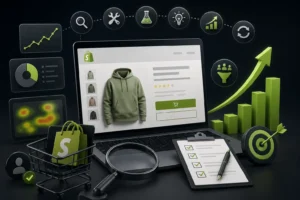
The average cart abandonment rate in e-commerce is 70%. For every ten buyers who add an item to their cart, seven leave without purchasing. The most effective recovery methods are a three-part abandoned cart email sequence sent within one, 24, and 72 hours of abandonment, SMS recovery for buyers who have opted in, and retargeting ads targeting cart abandoners within the first 48 hours. Stores that implement all three recover 10% to 20% of abandoned carts.
Why Buyers Abandon Their Carts
Cart abandonment is not usually a sign that the buyer did not want the product. Research from the Baymard Institute shows the most common reasons for abandonment are: extra costs appearing too late (shipping, taxes), forced account creation, a slow or complicated checkout, and not being ready to buy at that moment.
Understanding the reason matters because the fix is different for each. A buyer who abandoned because of a surprise shipping cost needs a different recovery message to a buyer who simply was not ready to commit.
The Three-Part Abandoned Cart Email Sequence
Email is the highest-return recovery channel for most Shopify stores. The standard sequence has three emails, each with a different purpose.
Email 1: Sent Within One Hour of Abandonment
Send this email while the buyer’s intent is still warm. Subject line: a simple reminder that their cart is waiting. Body: show the product image, the name, the price, and a single “Return to cart” button. No discount at this stage. Many buyers abandon because they got distracted; they will complete the purchase when reminded without any incentive.
This email recovers 3% to 6% of abandoned carts on its own. It is the single most important email in the sequence.
Email 2: Sent 24 Hours After Abandonment
If the buyer did not return after the first email, follow up 24 hours later. This email should add value rather than just repeat the reminder. Show the product again, add your best review or testimonial, and address the most common objection for that product. For example: “Free returns if it is not right for you.”
You can introduce a modest discount here, around 10%, if your margins support it. Keep the discount conditional and time-limited: “Valid for the next 24 hours.”
Email 3: Sent 72 Hours After Abandonment
The third email is a final push. It can introduce a stronger incentive or simply create urgency with a low-stock message if the product genuinely has limited availability. Keep it short. One image, one offer, one button. Buyers who have not returned after two emails need a compelling reason to act now.
Do not send more than three emails. A fourth email becomes spam for most buyers and damages your sender reputation.
SMS Cart Abandonment Recovery
SMS has a 98% open rate and works best as a single message sent 30 to 60 minutes after abandonment, for buyers who have explicitly opted in to SMS marketing. Keep the message under 160 characters: acknowledge the cart, include the product name, and provide a direct link back.
SMS recovery typically recovers an additional 3% to 5% of abandoned carts on top of what email recovers. Use apps like Postscript or Klaviyo’s SMS feature to set this up on Shopify.
Retargeting for Cart Abandoners
Retargeting ads targeting cart abandoners are the third layer of recovery. These buyers have shown the highest possible intent: they have added to cart. A retargeting campaign running on Meta or Google targeting cart abandoners within the first 48 hours converts at two to five times the rate of cold traffic.
Use dynamic product ads that show the specific product the buyer added to cart. Keep the ad creative simple: product image, price, and a clear “Complete your purchase” CTA. Limit frequency to three to five impressions in the first 48 hours to avoid feeling intrusive.
What to Fix Before You Worry About Recovery
Recovery sequences address what happens after abandonment. But many cart abandoners could have been prevented from leaving in the first place. Before investing in recovery infrastructure, make sure you have addressed the most common abandonment causes: show shipping costs before checkout, enable guest checkout, and make the checkout load quickly on mobile.
Preventing abandonment is more valuable than recovering it. A buyer who completes the purchase on their first visit costs less than one who requires a recovery email plus a potential discount.
If you want to identify what is causing abandonment on your store specifically, the free audit reviews your full checkout and cart flow.
Trying to know if your rate is healthy first? See our checkout conversion rate benchmarks. Want to fix the checkout flow itself? See our checkout optimization guide.
The average cart abandonment rate across ecommerce is around 70%, meaning seven out of every ten buyers who add to cart do not complete a purchase. This rate varies by device (mobile abandonment is typically higher than desktop), by traffic source, and by product price point. Tracking your own rate by segment is more useful than comparing to the industry average.
Shopify includes a basic abandoned checkout email in the native platform, which you can enable under Settings, then Checkout, then Abandoned checkouts. For a full three-part sequence with personalisation, product images, and discount logic, use an email marketing app like Klaviyo, which integrates directly with Shopify and has pre-built abandoned cart flows.
Only in the second or third email, not the first. Sending a discount in the first email trains buyers to abandon carts deliberately to wait for a discount. The first email should be a simple reminder with no incentive. If the buyer has not returned after 24 hours, a modest 10% discount in the second email is reasonable, provided your margins support it.
A well-built three-part email sequence with SMS recovery and retargeting typically recovers 10% to 20% of abandoned carts. For a store doing £50k a month with a 70% abandonment rate, recovering 15% of those carts can add £5,000 to £10,000 in monthly revenue with no increase in traffic or ad spend.